
How to Build a Morning Fitness Routine That Actually Fits Your Life

Daily Routine

Most people believe that a morning fitness routine requires a gym membership, fancy equipment, or extreme motivation. However, the truth is very different. A successful routine is not built on intensity — it is built on compatibility with your daily life.

In fact, many people quit exercising not because they are lazy, but because they copy routines that were never designed for them. Therefore, the key to long-term fitness is not doing more, but doing what you can sustain.

This article explains how to build a realistic morning fitness routine that supports your body, energy, and schedule — without pressure.

Why Mornings Matter More Than You Think

Importance of Morning

First of all, mornings are when the mind is least distracted. Before work stress, notifications, and responsibilities take over, your body is more responsive to movement.

Moreover, morning exercises:

  • Activates metabolism early
  • Improves mental focus
  • Creates a positive tone for the day

As a result, people who move in the morning often make better health decisions throughout the day.

The Biggest Mistake People Make With Morning Fitness

Lazy Morning
Lazy Morning

Most beginners start too aggressively. For example, they follow intense online workouts or long routines that feel inspiring — for a few days.

However, very quickly:

  • The body feels sore
  • Motivation drops
  • Consistency breaks

Therefore, the goal should not be exhaustion. Instead, the goal should be activation.

Step 1: Define the Purpose of Your Routine

Purpose

Before choosing exercises, you must understand why you want a morning routine.

Some common purposes include:

  • Increasing daily energy
  • Reducing stiffness
  • Improving mental clarity
  • Supporting weight management

Once your purpose is clear, your routine becomes focused instead of random.

Step 2: Keep the Time Window Small

Quick Response

One major reason routines fail is time pressure. People assume workouts must be long to be effective.

In reality:

  • 10–20 minutes is enough
  • Short routines reduce resistance
  • Consistency matters more than duration

Therefore, start with a time slot that feels easy to protect.

Step 3: Begin with Gentle Body Activation

Gental Workout

The body is stiff after sleep. Jumping into intense movements increases injury risk.

Instead, begin with:

  • Light stretching
  • Joint rotations
  • Controlled breathing

As a result, blood flow improves and muscles wake up naturally.

Step 4: Add Simple Strength Movements

Push up

Strength is essential for long-term fitness. However, it does not require heavy weights.

Simple bodyweight exercises like:

  • Squats
  • Push-ups (or wall push-ups)
  • Lunges
  • Planks

These movements strengthen muscles while improving balance and coordination.

Step 5: Include Light Cardio for Circulation

Walking

Cardio in the morning should energize, not drain you.

Therefore, choose gentle options such as:

  • Brisk walking
  • Marching in place
  • Skipping without intensity

Consequently, heart health improves without fatigue.

Step 6: End With Breathing or Stretching

Deep Breathing

Many people skip cool downs, but this step is crucial.

Ending your routine with:

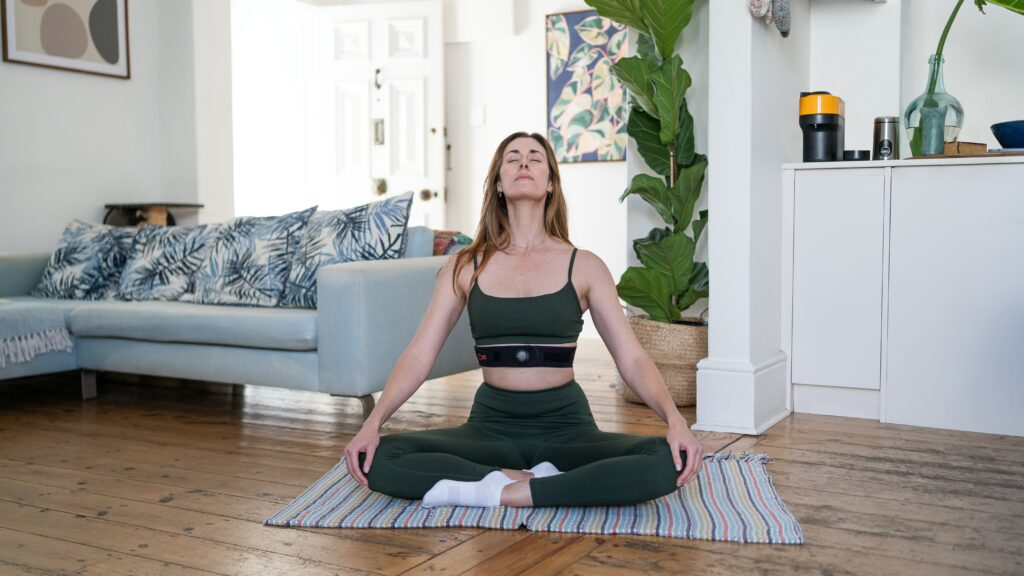
  • Deep breathing
  • Slow stretching

This signals the nervous system to stay calm and focused. As a result, stress levels reduce throughout the day.

How a Morning Fitness Routine Affects Mental Health

Mentally Relaxed

Exercise is not only physical. Morning movement influences mood chemicals like endorphins and dopamine.

Because of this:

  • Anxiety reduces
  • Focus improves
  • Emotional stability increases

Therefore, fitness becomes a mental tool, not just a body goal.

Adjusting the Routine as Life Changes

life Routine

Your routine should evolve with your lifestyle.

For example:

  • Busy days → shorter routine
  • Low-energy days → lighter movements
  • High-energy days → slightly more intensity

This flexibility prevents burnout and keeps fitness sustainable.

Why Consistency Beats Motivation

Consistency

Motivation is emotional and temporary. Habits, on the other hand, are automatic.

When you exercise:

  • At the same time
  • In the same place
  • With the same structure

Your brain starts treating it as normal — not optional.Morning Fitness without Equipment or Gym

One of the biggest advantages of morning routines is simplicity.

You don’t need:

  • Machines
  • Supplements
  • Expensive gear

Your body weight, floor space, and commitment are enough.

Long-Term Benefits of a Morning Fitness Routine

Benefit of Fitness

Over time, a consistent routine leads to:

  • Better posture
  • Improved metabolism
  • Stronger muscles
  • Higher daily energy

Most importantly, fitness becomes part of life — not a task.

Final Thoughts

A morning fitness routine should not feel like punishment. Instead, it should feel like self-respect practiced daily.

When movement fits your life, you stop forcing discipline and start enjoying consistency.

Start small. Stay flexible. Move daily.

That is how real fitness is built.

Balanced Diet Chart for a Healthy Body: How to Eat Right without Over thinking Food

Balanced diet

Most people fail at healthy eating not because they lack discipline, but because they overcomplicate food. Charts feel strict, rules feel exhausting, and diets feel temporary. As a result, people either quit or keep switching plans.

However, a balanced diet chart for a healthy body is not meant to control you. Instead, it is meant to support your daily life, energy levels, and long-term health. When food works with your routine instead of against it, consistency becomes natural.

This article explains balance in a realistic way — not through extreme nutrition theory, but through how real people actually eat and live.


Why “Balanced” Matters More Than “Perfect”

Balanced affect more than perfection

Perfect eating does not exist in real life. Work stress, family routines, and social situations always interfere. Therefore, aiming for perfection often leads to guilt and inconsistency.

A balanced diet works differently:

  • It allows flexibility
  • It adapts to lifestyle changes
  • It focuses on nourishment, not restriction

As a result, people who eat balanced meals stick to healthy habits longer than those who follow strict diets.

Understanding Food as a Daily System

food in our daily routine

Food is not just nutrition — it is a daily system. What you eat affects:

  • Energy levels
  • Mood and focus
  • Sleep quality
  • Hunger patterns

Therefore, a balanced diet chart should focus on how meals connect to each other throughout the day, not just what appears on your plate.

The Real Meaning of a Balanced Diet Chart

Balanced diet

A balanced diet chart is not a fixed menu. Instead, it is a framework that ensures your body receives:

  • Enough energy to function
  • Enough protein to repair
  • Enough fiber to digest
  • Enough fats to regulate hormones

Moreover, balance changes depending on age, activity level, and daily workload

Step 1: Start the Day With Digestive Support

Hydration

The body wakes up dehydrated and slow. Therefore, the first meal should focus on hydration and digestion, not heaviness.

Early morning balance includes:

  • Water to rehydrate
  • Light nutrients to activate digestion

This prepares your system for better nutrient absorption later in the day.

Step 2: Build Breakfast for Stability, Not Fullness

Breakfast

Many people either skip breakfast or overeat. However, both cause energy crashes.

A balanced breakfast focuses on:

  • Moderate carbohydrates for energy
  • Protein for satiety
  • Fiber for digestion

As a result, hunger stays controlled until lunch and concentration improves.

Step 3: Midday Eating for Sustained Energy

Lunch

Lunch should refuel the body without slowing it down. Heavy meals reduce productivity, while insufficient meals cause fatigue.

Therefore, a balanced lunch:

  • Includes slow-digesting carbohydrates
  • Contains protein for muscle support
  • Adds vegetables for micronutrients

Consequently, energy remains stable through the afternoon.

Step 4: Smart Snacking Instead of Emotional Eating

Snacking

Most unhealthy eating happens not because of hunger, but because of boredom or stress.

Balanced snacking:

  • Prevents overeating at dinner
  • Maintains blood sugar levels
  • Reduces junk cravings

However, snacks should support meals — not replace them.

Step 5: Light but Nourishing Dinners

Dinner

Dinner affects sleep, digestion, and next-day energy. Therefore, balance at night is critical.

A healthy dinner:

  • Prioritizes vegetables and protein
  • Limits heavy carbohydrates
  • Supports overnight recovery

As a result, sleep quality improves and morning fatigue reduces.

Hydration: The Silent Part of Every Diet Chart

Regular Hydration

Even the best diet fails without proper hydration. Water regulates digestion, temperature, and nutrient transport.

Moreover:

  • Mild dehydration feels like hunger
  • Poor hydration causes fatigue
  • Digestion slows without fluids

Therefore, hydration should be treated as part of nutrition, not an afterthought.

Why Balanced Eating Improves Mental Health

food affect mental health

Food affects the brain as much as the body. Sudden sugar spikes and crashes influence mood and focus.

A balanced diet:

  • Stabilizes energy
  • Reduces irritability
  • Improves concentration

Consequently, emotional eating reduces naturally.

Common Reasons People Fail at Balanced Diets

Unrealistic goal in diet

Despite good intentions, people struggle because:

  • They copy unrealistic plans
  • They skip meals
  • They remove entire food groups
  • They expect instant results

However, balance requires patience, not pressure.

How to Make a Balanced Diet Sustainable

Balanced food

Sustainability comes from simplicity.

Helpful strategies include:

  • Eating similar meals regularly
  • Keeping ingredients simple
  • Planning, not restricting

Therefore, healthy eating becomes routine instead of effort.

Balanced Diet Is a Lifestyle Skill

Cooking is lifestyle skill

Eating balanced meals is not a challenge — it is a skill learned over time.

Once developed:

  • Food decisions become easier
  • Health improves quietly
  • Weight manages itself naturally

As a result, you stop “dieting” and start living healthier.

Final Thoughts

A balanced diet chart for a healthy body is not about strict rules, clean eating trends, or punishment. It is about understanding how food supports your daily life.

When meals are balanced, energy improves.
When energy improves, habits improve.
And when habits improve, health follows naturally.

Balanced eating is not control — it is care practiced daily.

Healthy Lifestyle Habits That Quietly Transform Your Life

Most people think a healthy lifestyle requires strict rules, perfect routines, or dramatic changes. In reality, the biggest transformations come from small habits practiced daily, often without much effort. These habits don’t shout for attention, but over time they quietly reshape your energy, mindset, and overall quality of life.

A healthy lifestyle is not about controlling every detail of your life. It is about creating a daily environment where your body and mind can function naturally, without constant stress or exhaustion.


Understanding Lifestyle Over Diets and Workouts

A lifestyle is what you repeat every day — how you eat, sleep, move, think, and respond to stress. Unlike short-term diets or workout plans, lifestyle habits stay with you for years.

A healthy lifestyle focuses on:

  • Long-term sustainability
  • Natural routines
  • Mental peace along with physical health
  • Balance instead of extremes

When habits fit your real life, they actually last.


1. Building Your Day Around Energy, Not Time

Most people plan their day based only on time, not energy. This leads to burnout and poor health choices.

A healthier approach:

  • Do demanding tasks when your energy is high
  • Eat meals before extreme hunger hits
  • Rest before exhaustion begins

Listening to your body’s energy patterns helps reduce stress and improves productivity without extra effort.


2. Eating With Awareness Instead of Rules

Healthy eating is not about memorizing nutrition charts. It’s about how food makes your body feel.

Simple awareness-based eating habits:

  • Eat until you feel comfortable, not full
  • Notice how different foods affect your energy
  • Avoid eating while distracted by screens

This approach naturally reduces overeating and improves digestion without strict dieting.


3. Designing Movement Into Daily Life

Exercise becomes difficult when it feels separate from life. A healthier lifestyle blends movement into your day.

Examples:

  • Walking while taking phone calls
  • Stretching during short breaks
  • Choosing physical tasks over convenience

When movement becomes normal, fitness improves without scheduled workouts.


4. Creating a Relationship With Sleep

Sleep is often treated as optional, yet it controls hunger, mood, immunity, and focus.

Healthy sleep habits are not about sleeping early once in a while, but about:

  • Consistent sleep timing
  • Reducing stimulation before bed
  • Respecting rest as recovery, not laziness

Quality sleep improves nearly every aspect of health silently.


5. Reducing Mental Noise Daily

A healthy lifestyle protects mental space. Constant notifications, news, and screen time overload the nervous system.

Simple habits to reduce mental noise:

  • Phone-free time in the morning
  • Quiet moments without input
  • Limiting unnecessary scrolling

Mental clarity improves decision-making and emotional balance.


6. Managing Stress Before It Builds Up

Stress doesn’t arrive suddenly; it accumulates slowly. Healthy people release stress daily instead of letting it pile up.

Stress-release habits:

  • Short walks
  • Deep breathing
  • Writing thoughts down
  • Spending time in natural light

These habits prevent long-term stress-related health problems.


7. Eating for Stability, Not Excitement

Highly processed foods create energy spikes and crashes. A healthy lifestyle favors stability.

Stability-focused eating means:

  • Regular meal timing
  • Simple, familiar foods
  • Avoiding constant snacking

Stable blood sugar leads to stable mood, focus, and energy.


8. Protecting Your Body From Long Sitting Hours

Modern lifestyles involve long sitting hours, which quietly damage posture, joints, and circulation.

Healthy sitting habits:

  • Standing or stretching every hour
  • Keeping screens at eye level
  • Supporting the lower back

These small changes protect your body over the long term.


9. Accepting Imperfection Without Quitting

Healthy people don’t live perfectly — they recover quickly.

A healthy mindset includes:

  • Returning to habits after disruptions
  • Avoiding guilt around food or rest
  • Focusing on progress, not streaks

Consistency survives only when perfection is not required.


10. Making Health Decisions Easier, Not Harder

A sustainable lifestyle removes friction.

Examples:

  • Keeping healthy food visible
  • Preparing simple meals
  • Choosing routines you enjoy

When healthy choices are easy, discipline becomes unnecessary.


Long-Term Benefits of a Healthy Lifestyle

Over time, these habits result in:

  • Better energy throughout the day
  • Fewer mood swings
  • Improved digestion and sleep
  • Reduced illness and fatigue
  • Greater emotional stability

The changes feel natural, not forced.


Why Healthy Living Is a Personal Process

No single routine works for everyone. A healthy lifestyle adapts to:

  • Your work schedule
  • Your family responsibilities
  • Your personality and preferences

Personalized habits last longer than copied routines.


Final Thoughts

A healthy lifestyle is not something you achieve — it is something you practice quietly every day. It grows through awareness, patience, and small decisions that protect your energy and peace.

You don’t need a perfect routine. You need a realistic one.

Health improves when your lifestyle supports you instead of exhausting you.

Importance of Health and Fitness in Daily Life

In modern life, people are busier than ever. Long working hours, screen time, fast food, and stress have slowly pushed health to the background. Many only start caring about fitness when problems like weight gain, low energy, or illness appear. This is why understanding the importance of health and fitness in daily life is extremely important.

Health and fitness are not only about exercise or diet. They influence how we think, work, feel, and live every single day. A healthy lifestyle helps us stay active, confident, and productive at every stage of life.

What Does Health and Fitness Really Mean?

Health is a state of complete physical, mental, and emotional well-being, not just the absence of disease. Fitness refers to the ability of the body to perform daily activities efficiently without feeling tired.

True health and fitness include:

  • Physical strength and stamina
  • Mental clarity and emotional balance
  • Proper digestion and immunity
  • Energy to handle daily responsibilities

When health and fitness work together, life becomes easier and more enjoyable

Why Health and Fitness Are Important in Daily Life

Good health and fitness directly affect how we live our daily routine. Simple activities like walking, working, studying, or spending time with family become difficult if the body and mind are weak.

Here are some key reasons why health and fitness matter every day:

  • They improve overall energy levels
  • They reduce the risk of chronic diseases
  • They improve focus and concentration
  • They support emotional stability
  • They increase life expectancy

A healthy body allows you to live independently and confidently.

Physical Benefits of Health and Fitness

Regular physical activity and healthy habits strengthen the body from the inside.

1. Stronger Muscles and Bones

Exercise keeps muscles active and bones strong, reducing the risk of weakness, joint pain, and injuries.

2. Better Heart Health

Physical activity improves blood circulation and keeps the heart healthy, lowering the risk of heart disease and high blood pressure.

3. Improved Immunity

A healthy lifestyle strengthens the immune system, helping the body fight infections and illnesses more effectively.

4. Healthy Body Weight

Fitness helps balance calorie intake and burning, making weight management easier and more natural.

Mental and Emotional Benefits of Fitness

Health and fitness are deeply connected to mental well-being. A fit body supports a calm and focused mind.

Reduced Stress and Anxiety

Exercise releases feel-good hormones that help reduce stress and improve mood.

Better Sleep Quality

People who follow a healthy routine sleep better and wake up feeling refreshed.

Increased Confidence

Feeling physically strong and energetic improves self-confidence and self-esteem.

Improved Focus and Productivity

A healthy mind performs better at work, studies, and decision-making.

Role of Healthy Diet in Daily Fitness

Diet is the foundation of good health. What we eat daily decides how our body functions.

A healthy diet should include:

  • Fresh fruits and vegetables
  • Whole grains for energy
  • Protein-rich foods for repair
  • Healthy fats in moderation
  • Adequate water intake

Eating balanced meals at proper times improves digestion, energy levels, and overall fitness.

Importance of Physical Activity in Daily Routine

You don’t need intense workouts to stay fit. Simple daily movement is enough to maintain good health.

Examples of daily physical activity:

  • Walking or cycling
  • Stretching or yoga
  • Household work
  • Playing outdoor games

Even 30 minutes of movement daily can bring significant health benefits over time.

Health and Fitness Help Prevent Lifestyle Diseases

Unhealthy habits are the main cause of lifestyle diseases like diabetes, obesity, heart problems, and high blood pressure.

Maintaining health and fitness helps:

  • Control blood sugar levels
  • Reduce excess body fat
  • Improve cholesterol balance
  • Maintain healthy blood pressure

Prevention through fitness is always better than treatment.

Importance of Fitness at Different Life Stages

Health and fitness are important at every age.

For Children and Teenagers

Fitness supports proper growth, strong bones, and mental development.

For Adults

It helps manage stress, maintain productivity, and prevent chronic diseases.

For Older Adults

Fitness improves mobility, balance, and independence, reducing the risk of falls and weakness. No matter your age, it’s never too early or too late to start caring for your health.

Building Healthy Habits for Long-Term Fitness

Fitness is not about motivation alone; it’s about habits. Small daily habits create long-lasting results.

Healthy habits include:

  • Fixed sleep schedule
  • Regular meal timings
  • Daily movement
  • Limiting junk food
  • Managing stress

Consistency in these habits keeps health and fitness stable throughout life.

Common Mistakes People Make About Fitness

Many people misunderstand fitness and make avoidable mistakes, such as:

  • Believing fitness requires expensive gyms
  • Following extreme diets
  • Ignoring mental health
  • Expecting instant results

True fitness is simple, balanced, and sustainable

Final Thoughts

The importance of health and fitness in daily life cannot be ignored. A healthy body and mind allow you to enjoy life fully, handle challenges confidently, and stay independent for years to come. Fitness is not a one-time effort; it is a lifelong commitment made through daily choices.

By eating well, staying active, managing stress, and building healthy habits, anyone can achieve a better quality of life. Start small, stay consistent, and make health your top priority.

Good health is not an option — it is a necessity for a happy and successful life.

10 Easy Health and Fitness Tips for Beginners to Build a Healthy Life

Starting a health and fitness journey is one of the best decisions you can make, but for beginners it often feels confusing and overwhelming. Many people think fitness means strict diets, heavy gym workouts, or expensive supplements. In reality, true fitness begins with simple habits practiced consistently.

This article is specially written for beginners who want to improve their health step by step. These 10 easy health and fitness tips focus on sustainability, not shortcuts.

1. Understand That Fitness Is a Long-Term Process

The first thing every beginner should understand is that fitness does not happen overnight. Expecting fast results often leads to disappointment and quitting.

Instead of thinking:

  • “I want quick weight loss”

Think:

  • “I want a healthier body for life”

When you accept fitness as a long-term lifestyle, you automatically make better choices and stay patient with your progress.

2. Fix Your Daily Eating Pattern First

Before changing what you eat, focus on when and how you eat. Irregular meal timings and overeating are major reasons for poor health.

Healthy eating habits include:

  • Eating meals on time
  • Avoiding late-night heavy meals
  • Eating slowly and mindfully
  • Stopping when you feel satisfied

Once your eating routine improves, choosing healthy foods becomes much easier.

3. Choose Home-Cooked Food More Often

You don’t need a perfect diet plan to stay fit. Just reducing outside and processed food can bring noticeable improvement in energy and digestion.

Try to:

  • Eat freshly cooked meals
  • Reduce fried and packaged foods
  • Avoid sugary drinks and excess sweets

Home food gives your body proper nutrition and keeps calorie intake under control naturally.

4. Start Moving More in Daily Life

Exercise doesn’t only mean workout sessions. Daily movement plays a huge role in health and fitness.

Simple ways to stay active:

  • Walk after meals
  • Use stairs instead of lifts
  • Stretch during work breaks
  • Stand and move every hour

These small movements improve blood circulation and prevent a sedentary lifestyle.

5. Begin Exercise Slowly and Safely

Many beginners get injured because they start exercising too hard. Your body needs time to adapt.

A beginner-friendly exercise routine may include:

  • 20–30 minutes of walking
  • Light stretching
  • Basic bodyweight exercises
  • Simple yoga poses

Increase duration and intensity gradually. Feeling slightly tired is normal, but pain is a warning sign.

6. Don’t Ignore Rest and Recovery

Rest is not laziness — it is part of fitness. Without proper rest, your body cannot repair itself.

Signs you need more rest:

  • Constant fatigue
  • Poor sleep quality
  • Body pain or stiffness
  • Low motivation

Make sure you get 7–8 hours of sleep and at least one rest day per week from intense activity.

7. Take Care of Your Mental Health

Mental stress directly affects physical health. High stress levels can lead to overeating, poor sleep, and lack of motivation.

Simple habits to reduce stress:

  • Deep breathing for 5 minutes daily
  • Limiting phone usage before bed
  • Spending time with family or nature
  • Practicing gratitude

A peaceful mind helps you stay disciplined and consistent with fitness goals.

8. Stay Away from Fitness Myths

Beginners often follow wrong advice from social media or friends, which slows progress.

Common fitness myths:

  • Skipping meals helps weight loss
  • Sweating more means more fat loss
  • Supplements are necessary for fitness
  • Pain means a good workout

Fitness is based on balance, not extremes. Always choose logic over trends.

9. Track Progress beyond Weight

Many beginners only track weight, which can be misleading. Health improvements show in many other ways.

Better signs of progress:

  • Increased energy
  • Better sleep
  • Improved digestion
  • Reduced stress
  • Better mood

Celebrate these changes — they mean your body is healing and improving.

10. Build Habits, Not Temporary Motivation

Motivation comes and goes, but habits stay. Focus on building routines that become automatic.

Examples of healthy habits:

  • Morning walk after waking up
  • Drinking water regularly
  • Fixed sleep schedule
  • Light stretching daily

When healthy habits become part of your routine, fitness feels natural and effortless.

Final Thoughts

Health and fitness for beginners should be simple, practical, and stress-free. You don’t need perfection — you need consistency and patience. By following these easy fitness tips, you can create a strong foundation for a healthier and more active life.

Remember, every small step matters. Start today, stay consistent, and trust the journey.

Your body improves when you take care of it daily.

Health and Fitness: A Complete Beginner’s Guide to a Healthy Lifestyle

In today’s busy lifestyle, people often ignore their health until problems start appearing. Health and fitness are not only about losing weight or building muscles; they are about living an energetic, balanced, and disease-free life. If you are a beginner and want to start your health journey the right way, this guide is for you.

This article will help you understand the basics of health and fitness, including diet, exercise, mental wellness, and daily habits — all explained in simple language.

What Is Health and Fitness?

Health refers to the overall well-being of your body and mind, while fitness means the ability to perform daily activities with energy and strength. True fitness is a balance of:

  • Physical health
  • Mental well-being
  • Emotional stability
  • Healthy lifestyle habits

Being fit doesn’t mean having a six-pack; it means feeling active, confident, and stress-free in your daily life.

Why Health and Fitness Are Important

Maintaining good health and fitness improves both the quality and length of life. Some key benefits include:

  • Strong immunity and fewer illnesses
  • Better heart and lung function
  • Improved focus and productivity
  • Reduced stress and anxiety
  • Healthy weight management
  • Better sleep quality

A healthy lifestyle today can prevent serious diseases like diabetes, heart problems, and high blood pressure in the future.

Balanced Diet: The Foundation of Good Health

A balanced diet plays the most important role in health and fitness. You don’t need expensive supplements or strict diets. Focus on natural and home-cooked foods.

Essential Components of a Healthy Diet

1. Carbohydrates
Provide energy to your body. Choose complex carbs like:

  • Brown rice
  • Oats
  • Whole wheat roti

2. Proteins
Help in muscle repair and growth.

  • Eggs
  • Dal and beans
  • Paneer, tofu
  • Fish and chicken

3. Healthy Fats
Support brain and heart health.

  • Nuts and seeds
  • Olive oil
  • Ghee (in moderation)

4. Vitamins & Minerals
Found in fruits and vegetables.

  • Green leafy vegetables
  • Seasonal fruits

Exercise for Beginners: Keep It Simple

Many beginners think they need to go to the gym or follow intense workouts. That’s not true. Simple and consistent exercise is enough

Best Beginner-Friendly Exercises

  • Walking: 30 minutes daily
  • Jogging or cycling
  • Bodyweight exercises: squats, push-ups, planks
  • Yoga: improves flexibility and reduces stress

Start slow and increase intensity gradually. Consistency matters more than perfection

Importance of Mental Health in Fitness

Mental health is often ignored in fitness journeys, but it is equally important. Stress, anxiety, and lack of sleep can negatively affect your body.

Simple Ways to Improve Mental Health

  • Practice meditation or deep breathing
  • Get 7–8 hours of quality sleep
  • Reduce screen time
  • Spend time with positive people
  • Take short breaks during work

A calm mind helps you stay motivated and disciplined in your fitness routine.

Daily Healthy Habits to Follow

Small daily habits create big long-term results. Here are some habits every beginner should follow:

  • Wake up early
  • Eat meals on time
  • Avoid junk food and sugary drinks
  • Stay physically active throughout the day
  • Maintain a regular sleep schedule

These habits improve your overall health naturally without stress

Common Health and Fitness Mistakes Beginners Make

Avoid these mistakes to stay on track:

  • Skipping meals to lose weight
  • Overtraining without proper rest
  • Following crash diets
  • Ignoring hydration
  • Expecting quick results

Remember, fitness is a marathon, not a sprint.